Getting rid of everyday household rubbish is usually straightforward. Most general waste can be placed in the correct household bin and collected as part of the normal council schedule. Problems often begin when the items you need to remove are too large, too heavy or too numerous for a standard collection.
Old sofas, mattresses, wardrobes, appliances and accumulated bags of rubbish can quickly take over a spare room, garage or garden. Moving these items may require extra people, a suitable vehicle and somewhere authorised to receive the waste.
Leeds residents have several options available, including donating usable belongings, visiting a recycling centre, arranging a council collection or using a professional rubbish clearance service. The right choice will depend on what you are removing, its condition, how much waste you have and whether you can transport it safely.
What Is Considered Bulky Waste?
Bulky waste generally includes household items that are too large to fit safely into a normal rubbish bin. It can also include smaller objects when the total amount is too substantial for a regular household collection.
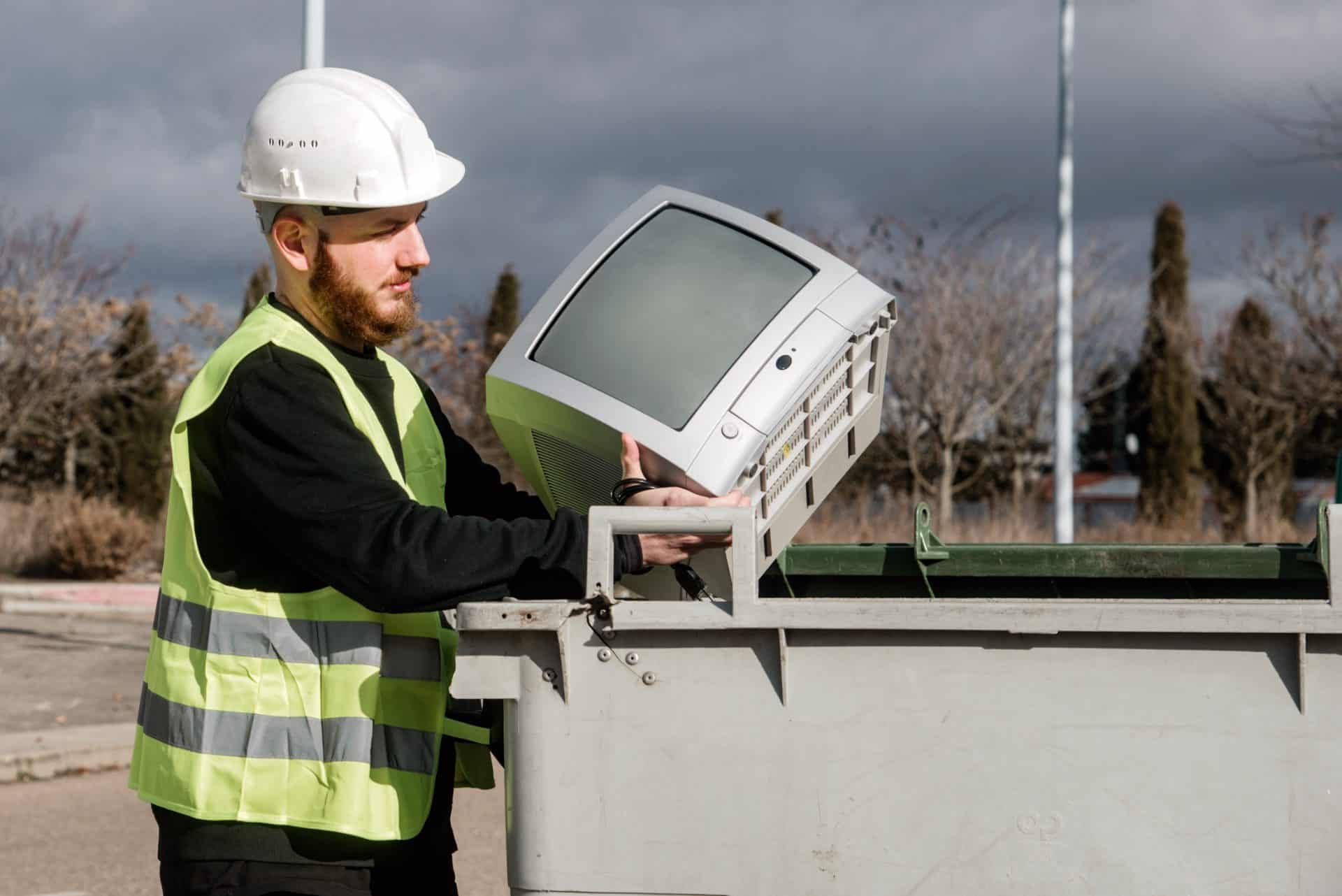
Common examples include sofas, armchairs, wardrobes, tables, chairs, bed frames and mattresses. Large electrical appliances such as washing machines, cookers, fridges and freezers may also fall into this category.
Bulky rubbish is not always limited to furniture. A house move, renovation or major decluttering project may produce boxes, damaged belongings, carpets, shelving and bags of general waste. These materials can create a sizeable load even when no single item is particularly large.
Outdoor spaces may contain broken garden furniture, damaged tools, plant pots, dismantled sheds and rubbish stored inside garages or outbuildings. Before choosing a removal option, it is important to understand exactly what you have and whether any items need specialist handling.
Can Your Unwanted Items Be Reused?
Before treating everything as rubbish, consider whether any furniture, appliances or household belongings remain in usable condition. Items that are clean, complete and safe may be suitable for donation, resale or reuse.
Local charities, community organisations and reuse shops may accept furniture, electrical goods, clothing, books and smaller household items. Acceptance policies can vary, particularly for upholstered furniture and electrical appliances, so check the requirements before arranging transport.
Selling or giving items away through a local marketplace can also work when there is enough time before the property needs to be cleared. Include accurate photographs and measurements so that potential collectors understand the item and can arrive with a suitable vehicle.
Reuse may not be appropriate for damaged, heavily stained or unsafe belongings. It can also be difficult when a property must be cleared quickly. In these circumstances, a professional collection may provide a more efficient way to remove everything that cannot be donated.
Can Leeds City Council Collect Bulky Items?
Leeds City Council offers an unwanted item collection service for residents within the Leeds council tax area. This can be useful when you have a limited number of eligible household items and cannot transport them to a recycling centre.
The council currently states that it can collect up to five items during each collection, with households able to arrange a maximum number of collections within the year. Availability and accepted items should always be checked directly through the official Leeds unwanted items collection service.
A council collection may be suitable for a sofa, bed, appliance or a small group of household items. It may be less practical when you need several rooms cleared, rubbish collected from different parts of a property or a mixture of bulky and bagged waste removed together.
You may also need to move the items to an agreed collection point. Consider whether you can safely carry everything from upstairs rooms, lofts or rear gardens before choosing this option.
Can You Take Waste to a Leeds Recycling Centre?
Leeds has household waste recycling centres where eligible residents can dispose of many common household items. These sites may accept furniture, electrical appliances, mattresses, cardboard, garden waste and other materials, although the facilities available can differ between locations.
You should check the official information about Leeds household waste recycling centres before travelling. This will help you confirm the nearest location, opening times, vehicle rules and whether your particular waste can be accepted.
Using a recycling centre can be cost effective when you have access to a suitable vehicle and can lift the items safely. It may work well for a few boxes, a dismantled item of furniture or materials that can fit securely inside your car.
The difficulty comes when rubbish includes large wardrobes, sofas, appliances or a full van load of mixed contents. You may need to dismantle furniture, protect the vehicle and make several trips. Waste must also be secured properly during transport so that it does not create a danger to other road users.
When Is a Professional Rubbish Clearance More Suitable?
Professional rubbish clearance is often more convenient when you have a larger volume of waste, several bulky objects or items spread throughout a property.
Instead of hiring a vehicle and completing the lifting yourself, a clearance team can collect agreed rubbish directly from the property where safe access is available. This may include upstairs rooms, flats, garages, gardens, sheds and commercial premises.
A professional waste clearance service can help with furniture, appliances, packaging, boxes and bagged rubbish. Collections can be adapted to cover a few unwanted items or a more substantial accumulation.
This type of service is particularly useful when you are working to a deadline. You may be preparing for a move, waiting for contractors to begin a renovation or needing a rental property cleared before new occupants arrive.
Providing photographs when requesting a quote helps the clearance company understand the volume and type of waste. You should also mention stairs, parking restrictions, narrow entrances and particularly heavy objects.
How Should You Prepare for a Rubbish Collection?
Begin by deciding exactly what needs to leave the property. Work through one room or area at a time and separate belongings into items to keep, donate, sell and remove.
Personal documents, photographs, valuables and sentimental possessions should be removed from the clearance area. Do not leave important belongings mixed inside boxes or drawers that have been identified for collection.
Keep anything you wish to retain clearly separated from the rubbish. Placing retained belongings in another room or marking them prominently can reduce confusion when the clearance begins.
You should also provide a clear access route where possible. Remove small obstacles from hallways, unlock gates and explain whether items must be carried down stairs or through shared areas. There is usually no need to move heavy furniture outside when it can be collected safely from its current location.
Tell the clearance company about unusual materials before the booking. Chemicals, gas bottles, asbestos, unidentified liquids and other hazardous substances may require specialist arrangements and should never be concealed within bags of ordinary rubbish.
What If You Need to Clear an Entire House?
A complete house clearance is different from collecting several bulky items. Furniture, appliances, clothing, boxes and general belongings may be spread across bedrooms, living areas, lofts, garages and outbuildings.
Before arranging the work, decide whether everything is being removed or whether selected items must remain. This is particularly important when clearing an inherited home, rental property or house that still contains personal belongings.
A dedicated house clearance service can cover the full property or focus on selected rooms. The size of the job, property access and volume of contents should be assessed before the work begins.
Inherited and bereavement clearances may require additional time for family members to review documents and sentimental items. There is no requirement to clear the home before those decisions have been made. Once retained belongings have been identified, a clearance team can handle the physical removal of the remaining contents.
Landlords and letting agents may need a faster turnaround when waste has been left following a tenancy. Clearing abandoned furniture and rubbish allows cleaning, repairs and safety checks to continue without unnecessary obstruction.
How Can Businesses Remove Bulky Waste?
Offices, shops, hospitality venues and other workplaces may also need help removing furniture and accumulated rubbish. Business waste can include desks, chairs, storage cupboards, shelving, packaging and unwanted workplace equipment.
Commercial waste should not be treated as ordinary household rubbish. Businesses have responsibilities for ensuring that their waste is stored, transferred and handled correctly.
A professional commercial waste clearance service can assist during office moves, shop refurbishments, property handovers and workplace clear outs. Collections should be planned around loading areas, building access and operating hours.
Before the clearance, businesses should separate confidential documents, stock and equipment that will remain. Electrical items, hazardous substances and specialist machinery must also be identified because they may require different handling arrangements.
Why Should You Check the Waste Carrier?
Householders have a responsibility to take reasonable steps to ensure their waste is passed to an authorised person. Choosing an unknown collector simply because they offer the lowest price can create serious problems if the rubbish is later fly tipped.
A legitimate waste carrier should be able to provide their registration details. Customers can check these through the official Environment Agency waste carrier register.
You should also ask what will happen to the waste and whether there are any materials the company cannot collect. A responsible provider will ask questions about the rubbish rather than agreeing to remove unidentified materials without further information.
Be cautious if a collector refuses to provide business details, will only accept cash or suggests dumping rubbish somewhere that is not an authorised waste site. If your waste is traced back to you after being handled illegally, you could still face questions about the steps you took when choosing the collector.
What Happens to Rubbish After Collection?
Waste should be handled according to its material type and condition. Items that can be reused may be directed towards an appropriate reuse route, while materials such as metal, cardboard, wood and certain electrical goods may be separated for recycling.
Government guidance describes a waste hierarchy that prioritises preventing waste, followed by preparing items for reuse, recycling, other recovery methods and disposal as the final option. More information is available through the official guidance on applying the waste hierarchy.
Not every item can be reused or recycled. Damaged furniture, contaminated materials and mixed waste may have fewer recovery options. However, separating different materials where practical can help reduce the amount treated as general disposal waste.
When requesting a collection, describe the rubbish accurately. This allows the clearance provider to identify different material types and explain whether any items need alternative arrangements.
Clearing Rubbish Without the Unnecessary Hassle
There is no single best way to remove unwanted waste from every Leeds property. Donating usable items can prevent them from being discarded, while recycling centres and council collections may work well for smaller quantities.
A professional clearance becomes valuable when the rubbish is heavy, spread across several rooms or too substantial to transport safely. It can also help when you have a firm moving, renovation or property handover deadline.
Just Waste LTD provides rubbish removal for homeowners, tenants, landlords, businesses and property professionals throughout Leeds. We can collect individual bulky items, mixed household rubbish or contents from larger property clearances.
Send photographs, your postcode and a description of what needs removing so the amount of waste and property access can be assessed. Contact Just Waste LTD today to arrange rubbish clearance in Leeds and reclaim valuable space in your home, rental property or workplace.